
In 2024 the FAU Erlangen Nürnberg purchased a stand-alone 5G Campus Network. It was purchased with the purpose of being the basis of a security test-bed for current 5G and future 6G mobile communication systems that allow to boost, test and apply research in a real mobile network. It has since been extended from only operating in FR1 with an additional FR2 system. The operation and performance are exhaustively recorded by a self-developed monitoring system.
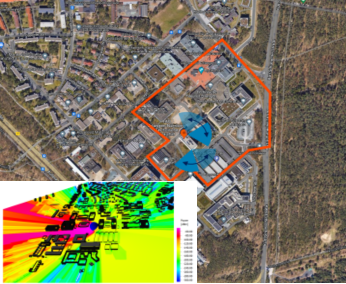
The main 5G system operates in FR1 between 3.7 to 3.8 GHz and is based on the O-RAN specifications. It consists of a Druid Raemis Core connected to an Accelleran dRAX RAN (7.2 split), which are each respectively deployed on dedicated servers. These components are connected to a management router and located together in a mobile rack. This allows the complete system to be set up easily on nomadic missions. There are two fixed endpoint installations for the radios. One fixed installation of two 4×4 MIMO Alpha Wireless antennas and Benetel RAN650 radio units is placed on the building of the electrical engineering department of the FAU in the south of Erlangen. Additionally, the second setup consists of the same RUs and antennas mounted on a tripod as part of the nomadic setup.
To research and test cutting edge 6G technologies such as ISAC the FAU also owns a Nokia FR2 based research setup which is by itself not purchasable on the market. This setup consists of two AWEUD mmWave RUs that are used for sending and capturing OFDM based 5G communication. The units are connected to a synchronization unit and server hardware for radar processing. The whole system can be accessed remotely, and the software can be freely programmed.
The network equipment is complemented with measurement equipment from Rohde & Schwarz, specifically a TSMA6 and two QualiPoc devices, multiple software defined radios (SDR) from National Instruments and Quectel RM520N modems attached to various single board computers. With this hardware it is possible to create a monitoring system for the mobile network.
The monitoring system, which is developed at the FAU, makes it possible to tightly monitor the system’s behavior in different operating modes or stress scenarios through the generation of specific traffic profiles through user equipment (UEs). The goal is to create a clear picture of the on-goings inside the various parts of a mobile communication network, to evaluate network metrics and to gather data for developing security and resilience solutions.
Besides monitoring, the test-bed can be utilized to create and perform different attack scenarios, with a penetration testing framework developed at the FAU. This includes the attack with jamming devices, false base station (FBS) attacks or over the air (OTA) eavesdropping and tampering. The monitoring system allows analyzing the behavior of both the UE, as well as the networks all the way down to the physical layer.
On top of that, the O-RAN based system, in combination with the FAU developed monitoring systems, allows to develop security solutions which can directly deployed in the 5G network. The deployment of the software solutions is done with the radio intelligent controller (RIC) as x-Apps which directly run in the RAN of the network. A multi-purpose application server is also available in the form of an edge processing unit to deploy algorithms, e.g., for anomaly detection or system failure prevention, or even to integrate and test real time capacity of applications.
As modern mobile communication systems consist of many containerized or virtualized payloads, the performance of real-time requiring RAN systems in secure virtualized environments is also a topic in the FAU Campus Network test bed.
The network was funded by the Federal Office for Information Security (BSI) in Germany within the publicly funded project 6G-ReS. The FR2 setup was given to the FAU as part of the collaborative research in the 6G CampuSens project.
 1/7
1/7 2/7
2/7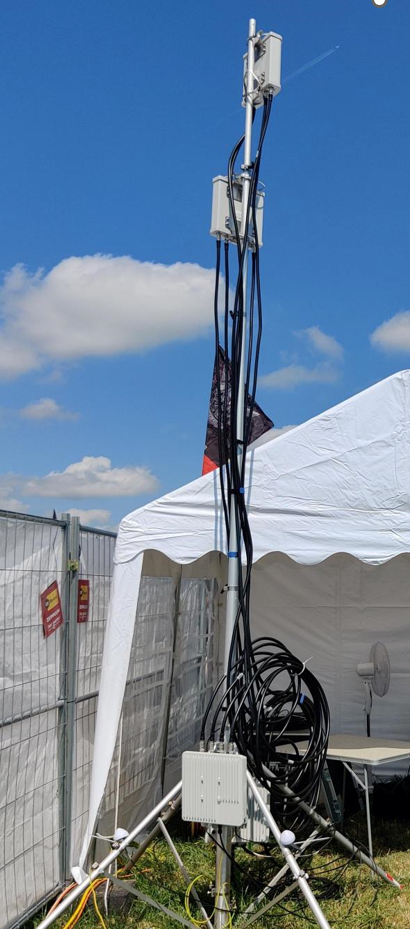 3/7
3/7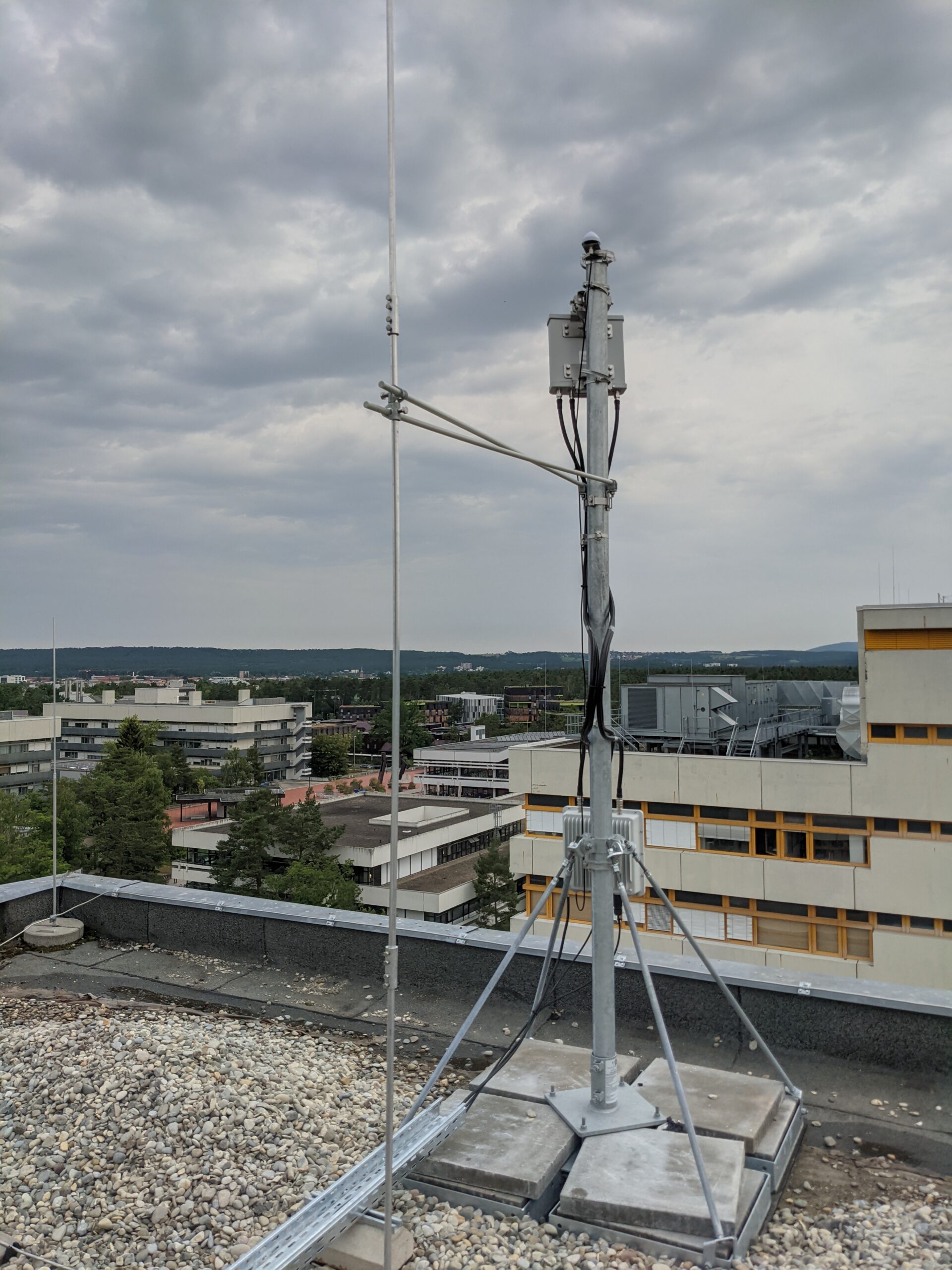 4/7
4/7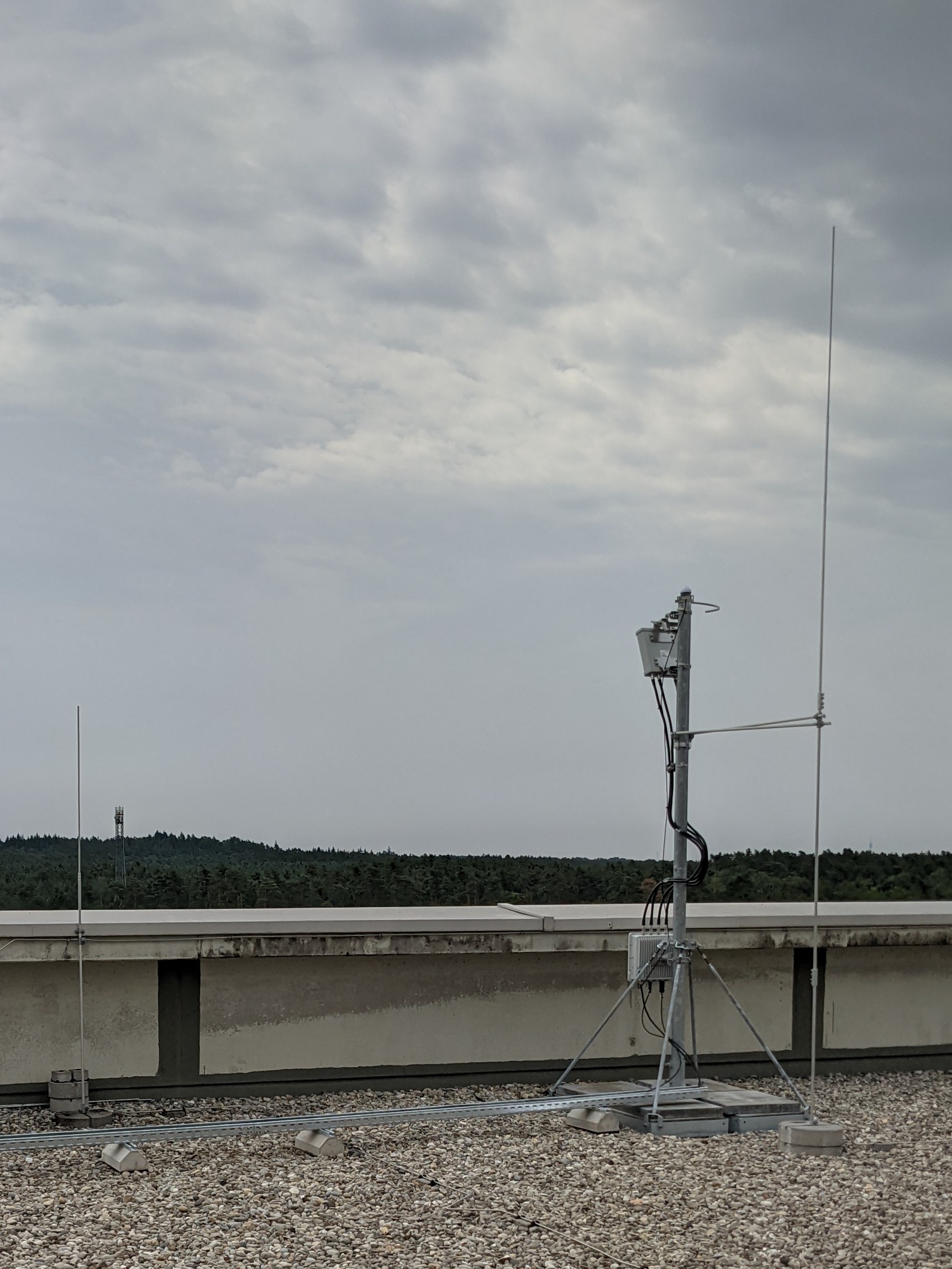 5/7
5/7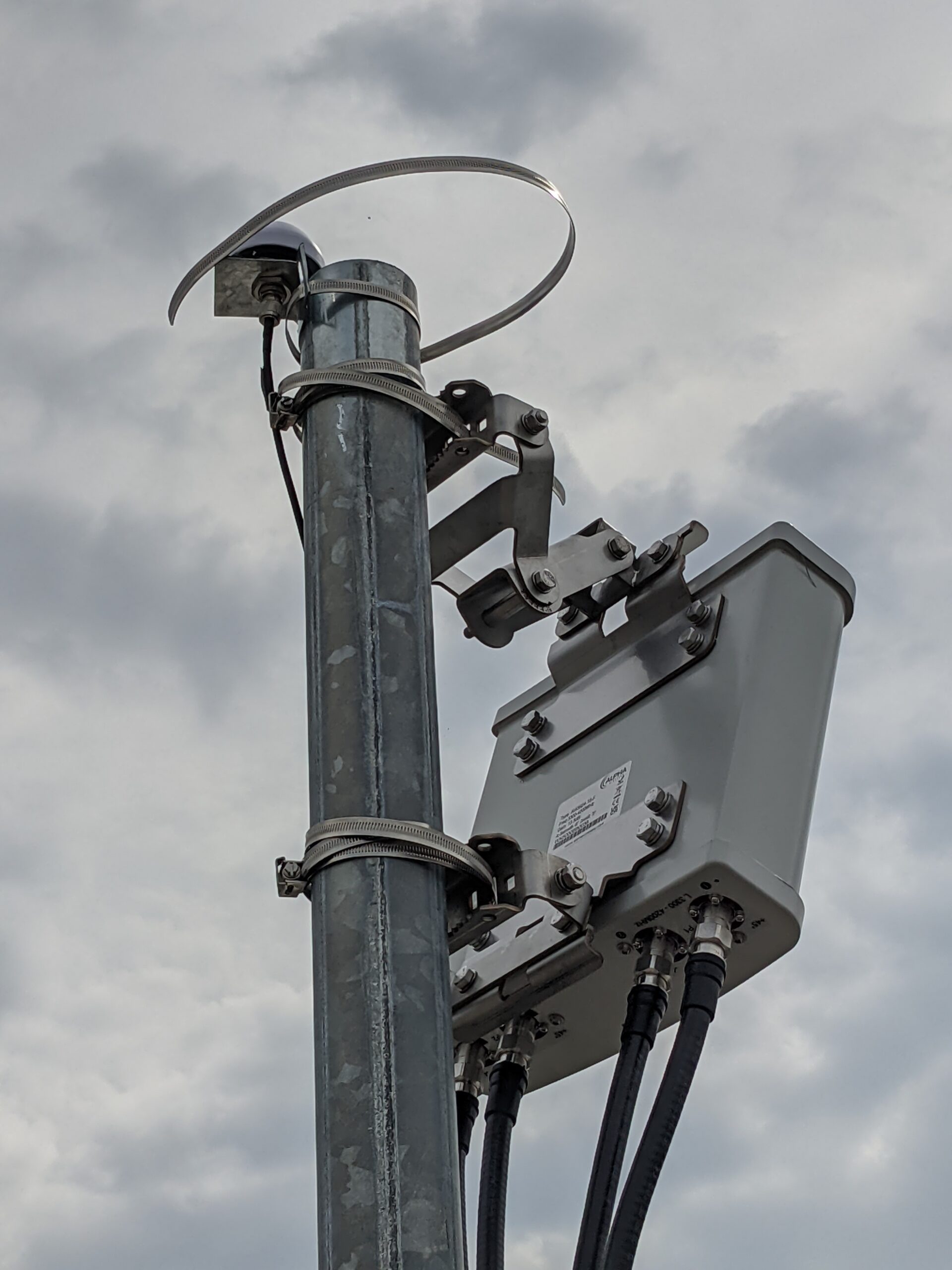 6/7
6/7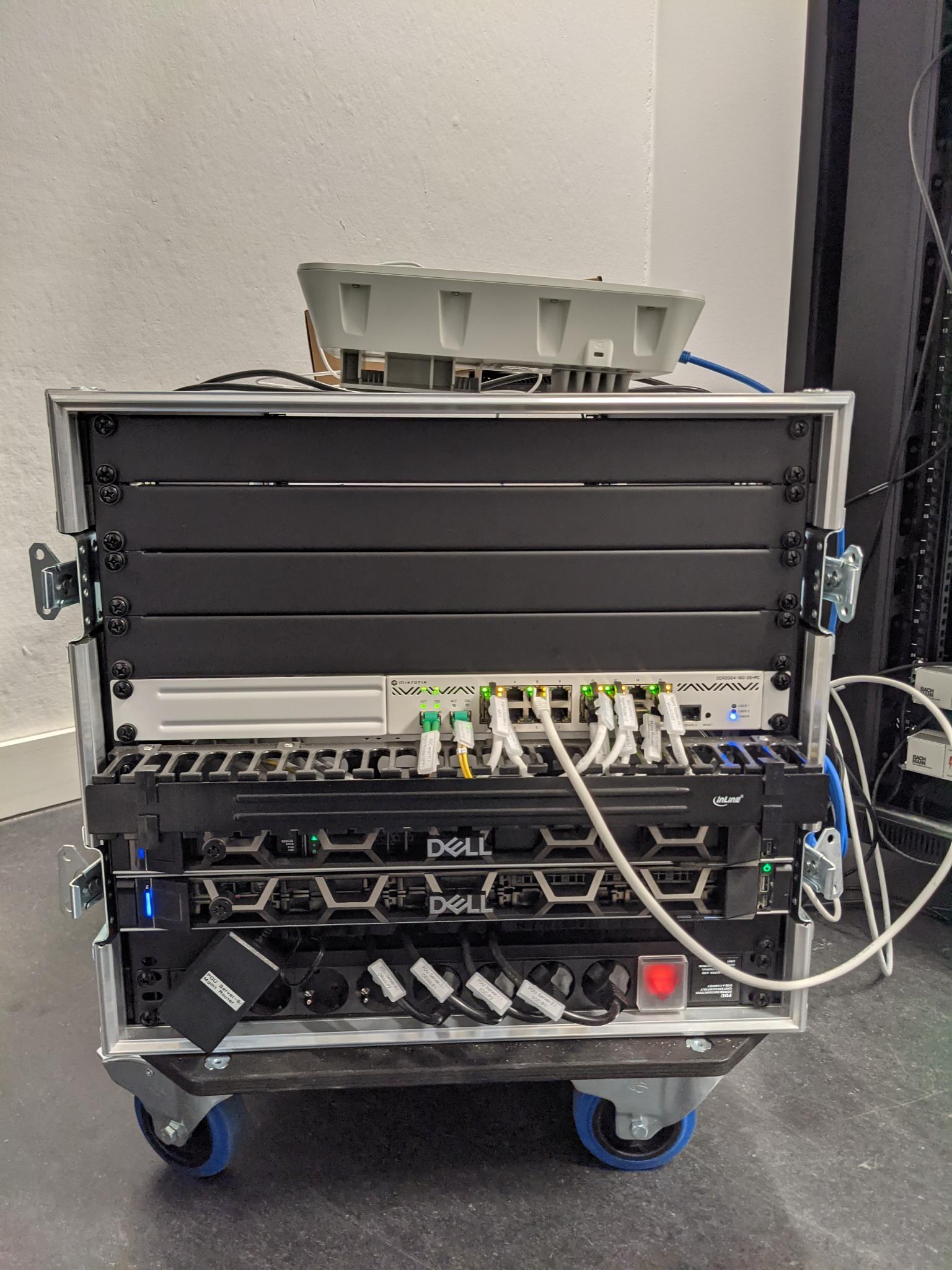 7/7
7/7
Christian Spinnler
Chair of Smart Electronics and Systems
Research associates